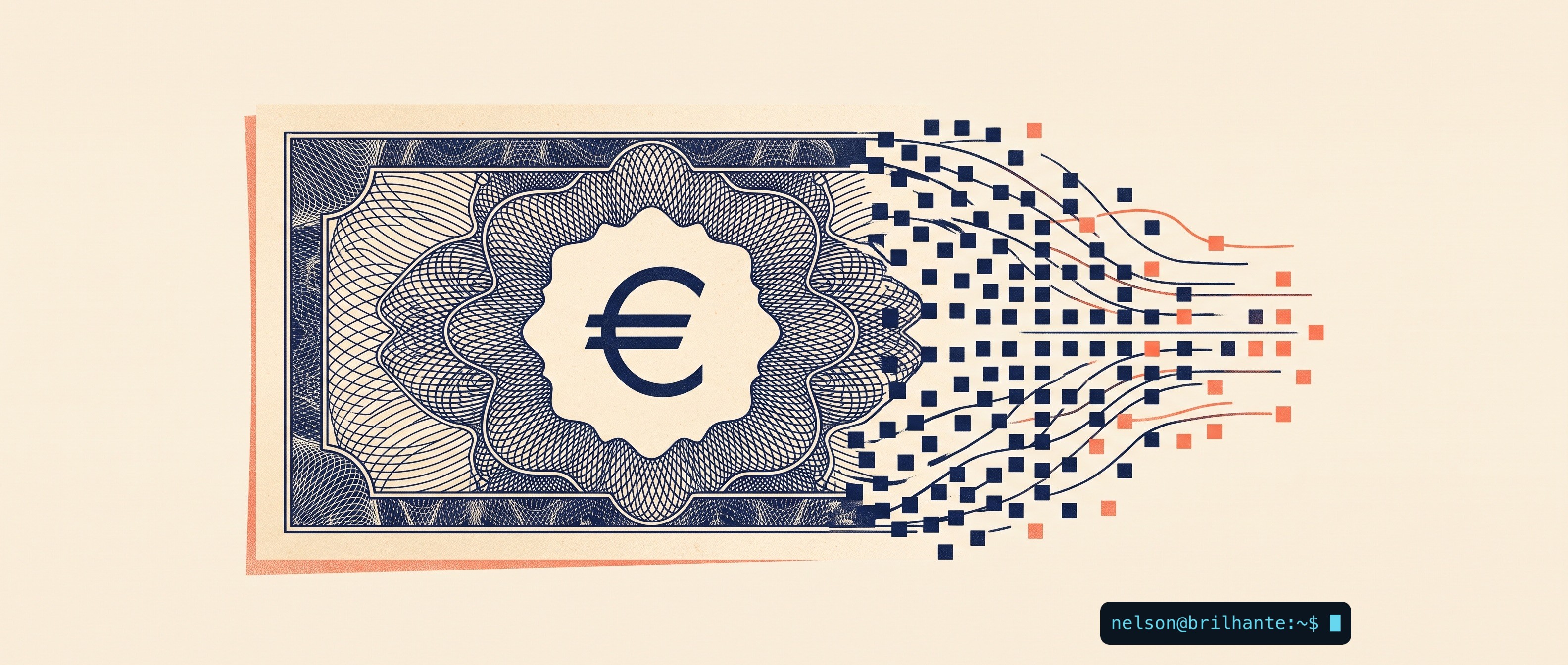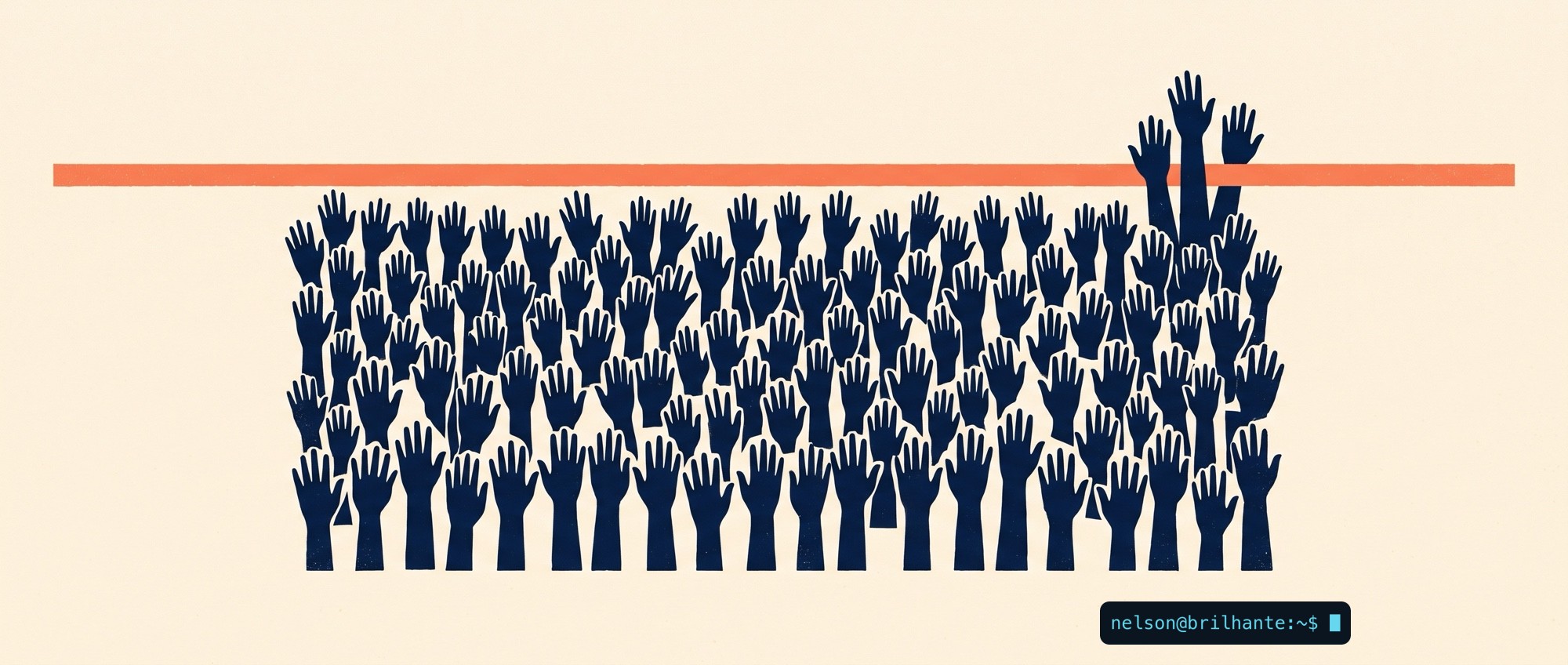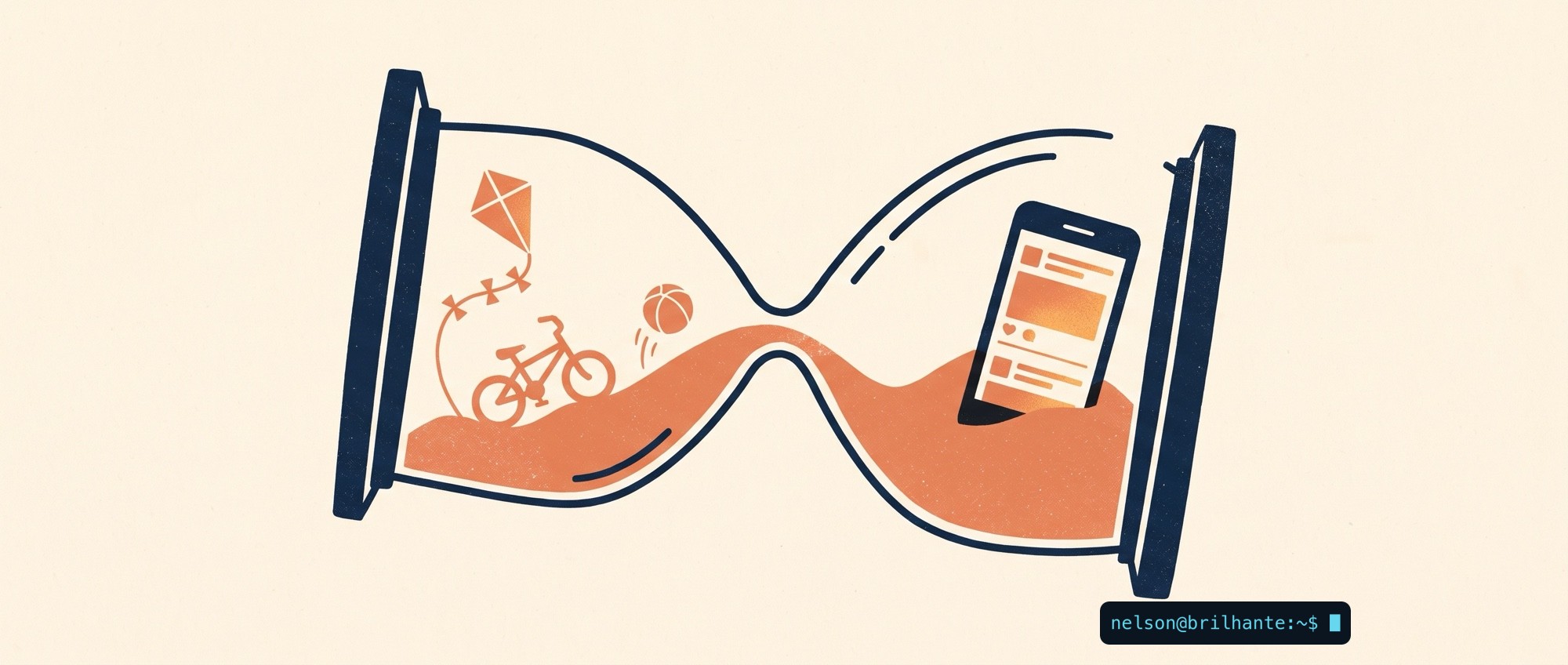
Six hours a day on a screen, stretched across a lifetime, adds up to twenty full years. That was the math Ursula von der Leyen, the President of the European Commission, used on July 13 in Brussels to announce that the European Union will propose a minimum age for social media. Under 13, no account of your own, only supervised use alongside an adult. From 13 on, gradual access, and conditional: platforms will have to prove their services are age-appropriate and safe for teenagers, with legislative proposals promised for after the summer.
"Social media is not a toy," she said. And the comparison she chose says everything about the logic of the proposal: in Europe, whoever makes a product is responsible for its safety, just as with cars. From now on, the same principle applies to the feed.
That shift matters more than the number. Until now, the default was open access: platforms declared a minimum age for show, easily sidestepped with an invented birth date, and parents were left as the household's only firewall, alone against entire teams of engineers paid to maximize screen time. The European proposal flips the burden. It stops being the family's job to prove it can resist the product; it becomes the product's job to prove it does no harm to those who enter.
Portugal was already moving
The Brussels proposal arrives in a country that was not waiting for it. On February 12, the Portuguese Parliament approved, in a first reading, restrictions on free access to social media for minors under 16, with PSD, PS, PAN and JPP in favor, and the bill is now being refined in committee: a total ban under 13, and from 13 to 16 only with express, verified parental consent, with platforms required to implement an age verification mechanism compatible with Chave Móvel Digital, the Portuguese state's digital identity on the phone. Since September 2025, phone use has been banned in Portuguese schools up to the 6th grade. France, Spain and Greece are on similar paths, and some governments argue the European bar should sit at 15, not 13.
The hard part is not the age, it is the verification
Writing "13" into a directive is the easy part. Verifying age at the scale of a continent is where this is won or lost, because verifying a child's age means, in practice, verifying everyone's. That was precisely the warning from Mariana Leitão in the Portuguese debate: banning social media for minors "may look like a simple solution," but it risks demanding surveillance of every citizen. The fear is legitimate. Done the worst way, with every platform demanding photos of ID documents, one risk is traded for another, handing identity databases to companies with a long record of leaks and data abuse. Done right, the model is the one the Portuguese bill points to: an entity that already knows your age confirms only "over 13," without saying who you are or keeping track of where you have been. The difference between the two versions is technical and invisible to the public, and that is exactly why it will need watching.
There are honest limits to admit. A VPN, the trick that changes a connection's apparent address, will keep punching through any digital border, and no verification stops a determined teenager. But minimum-age laws never worked by being airtight; they work by changing the default. Tobacco and alcohol can also be obtained underage, and we still do not sell them next to the candy.
Until the law arrives, the firewall remains who it has always been:
- Delay the first account as long as you can. It is the only measure with a guaranteed effect, and every year counts.
- If the account already exists, turn on parental supervision inside the app itself, with time limits and filtered content.
- Screens out of the bedroom at night. Sleep is the infinite feed's first casualty.
- Talk before you ban. The law sets ages; trust decides what your kids tell you when something goes wrong.
"Childhood will not wait. And once it is gone, we cannot give it back," Ursula von der Leyen concluded. Twenty years of life inside a screen cannot be given back; postponing them a few years is the least an adult society can do.
Sources: The Record, Euronews, ECO, Público.
#StaySafe
🙏🖖