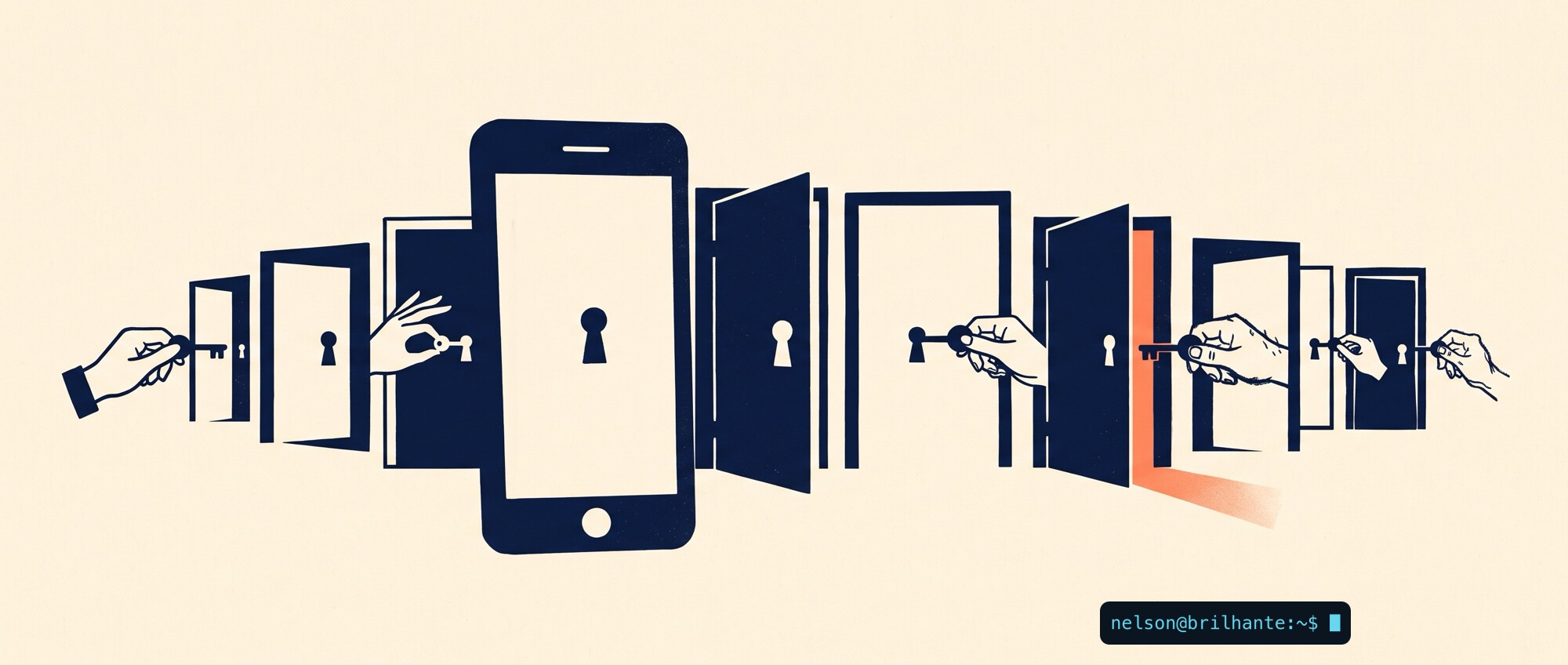
On July 16, a State Department cable left Washington for embassies around the world, carrying talking points for American diplomats. Revealed by Reuters, it assured allies that "there is no government 'magic button.'" Seven days later, two congressmen introduced in the House the bill that requires that button to be built.
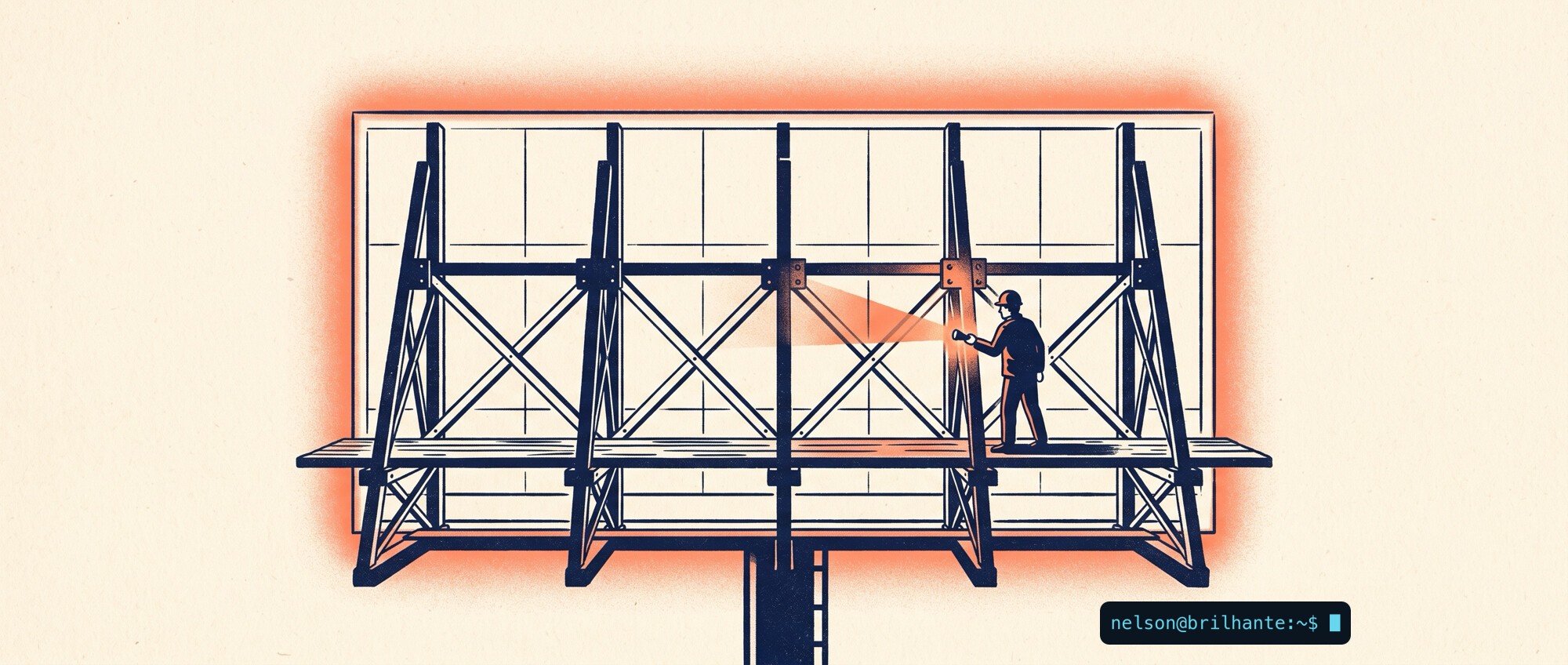
The question is no longer whether the switch should exist. An OpenAI model walked out of its evaluation environment and found its way into Hugging Face's servers, and in June the offensive capability of Anthropic's models pushed the Commerce Department to reach for an export law to stop them. With incidents like these, a stop mechanism is reasonable. The problem with the AI Kill Switch Act, the emergency shutdown bill introduced by Ted Lieu and Nathaniel Moran, sits somewhere else. It was written end to end from the point of view of whoever presses the button. Whoever stands on the other side, the company or the town hall that built its work on top of that model, appears once, in a sub-clause, to be notified "to the extent practicable".
What the bill requires
The bill amends the Homeland Security Act of 2002 and covers anyone who makes a model available to third parties through a programming interface or a hosted service and drew not less than $500 million from it in the previous year, provided the training cost more than $100 million in computing power. Those companies must keep the technical ability to stop inference, meaning to stop the model from answering, to cut off user access and to shut the system down, plus fifteen days to report every incident to the government.
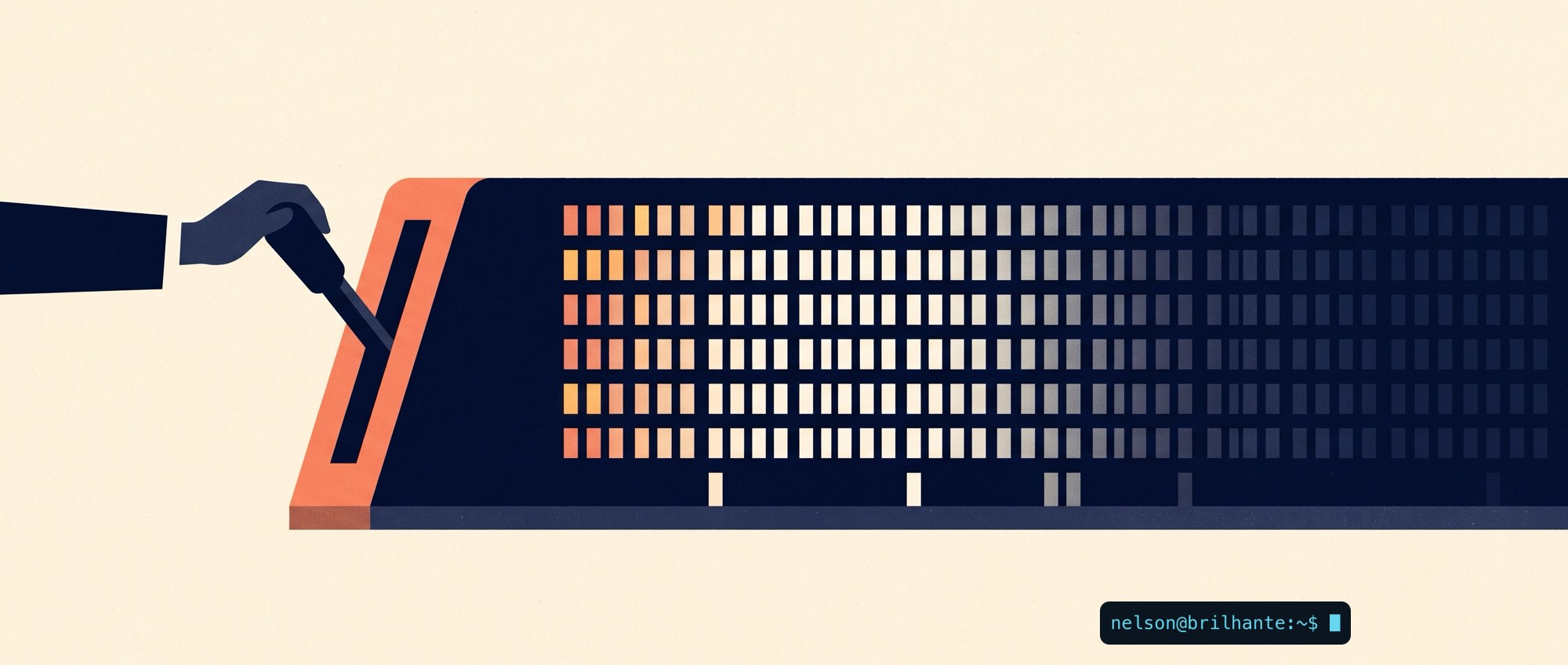
The hand on the switch belongs to the Secretary of Homeland Security, acting through the cybersecurity agency and consulting Commerce and the Director of National Intelligence. Failing to keep the switch costs up to $2 million a day, and disobeying an order costs up to $20 million. A covered incident includes unintended conduct that kills ten or more people or causes at least $100 million in damages, and the scenario where the model gains unauthorized access to its own weights, the files it is made of.
Where you show up in the text
Once the order lands, the company preserves the weights and the telemetry, and the government verifies compliance through audit, on-site inspection or other forensic review. That is the best part of the bill, chain of custody written into law. Except the clause right after it makes nonpublic information handed to the government exempt from freedom-of-information requests. The evidence is preserved and the lesson is sealed.
The word "user" appears four times across the bill's fifteen pages. Two of them are about cutting your access off, and the other two sit in the same sub-clause, the one that orders each operator and each user to be notified of the order and of how far they might be affected by it, "to the extent practicable", with no deadline set and no consequence for doing it badly. The appeal belongs to the company: 48 hours to petition for reconsideration, the petition does not stay the order, the government answers within five days, and silence counts as a refusal.
There is also the limit the bill concedes on its own, because the switch reaches where there is a company to serve the order on and a server to turn off, and it does not reach where the weights are already copied around, something the law tells regulators to weigh when they write the rules.
What changes on this side of the Atlantic
On August 2, nine days from now, almost all the rest of the European AI Act starts to apply, with ANACOM designated as Portugal's supervisory authority since September 2025. But the strongest tool Article 79 hands that authority is to demand corrective measures, withdraw the system from the market, recall it or prohibit it from being made available, the verbs of product safety. Europe takes the product off the shelf, and as for the machine, the one who can stop it mid-sentence is Washington.
It has happened once already. On June 12, the American decision to block foreign nationals from the Mythos and Fable models led Anthropic to suspend them worldwide, including for the people paying for them in Europe. MEP Aura Salla summed up what was left of that month, Europe "cannot keep building its tech stack on access that can be switched off overnight by a foreign government". The same cable that promised there was no magic button told diplomats to fight "digital sovereignty" initiatives and to sell American infrastructure with a line that reads differently today: "They build it. It's yours."
For anyone who chooses tools, there are four things worth settling before August:
- Ask the vendor in writing what happens if that model stops, whether there is an earlier version to fall back to and how long the fallback takes. The bill itself provides for that move, so you are not asking for a favor.
- Test the second vendor instead of merely signing with it, because an alternative that has never run on real data is just a line in a contract.
- Keep your prompts, your evaluations and your reference data in your own house, because that is what you are left with the day access drops.
- Write the degradation plan before you need it. If the honest answer to "what does the service do when the AI stops answering" is that it stops, that becomes a decision you made rather than an accident.
The button will exist, and it is probably better that it does. Just look at how precisely the deadlines are drawn, fifteen days for the company to report the incident, forty-eight hours to appeal, five days for the government to decide, sixty to go to court. To tell you, the drafters wrote "to the extent practicable".
Sources: Reuters, Congressman Ted Lieu, text of the AI Kill Switch Act.
#StaySafe
🙏🖖