There is a number in the FBI's new Internet Crime Report (IC3) that should stop anyone in their tracks: 893 million dollars (nearly a billion) is what Americans lost in 2025 alone to AI-powered scams. That is 22,364 formal complaints. And, as the FBI itself admits, it is the tip of the iceberg: it counts only what was reported.
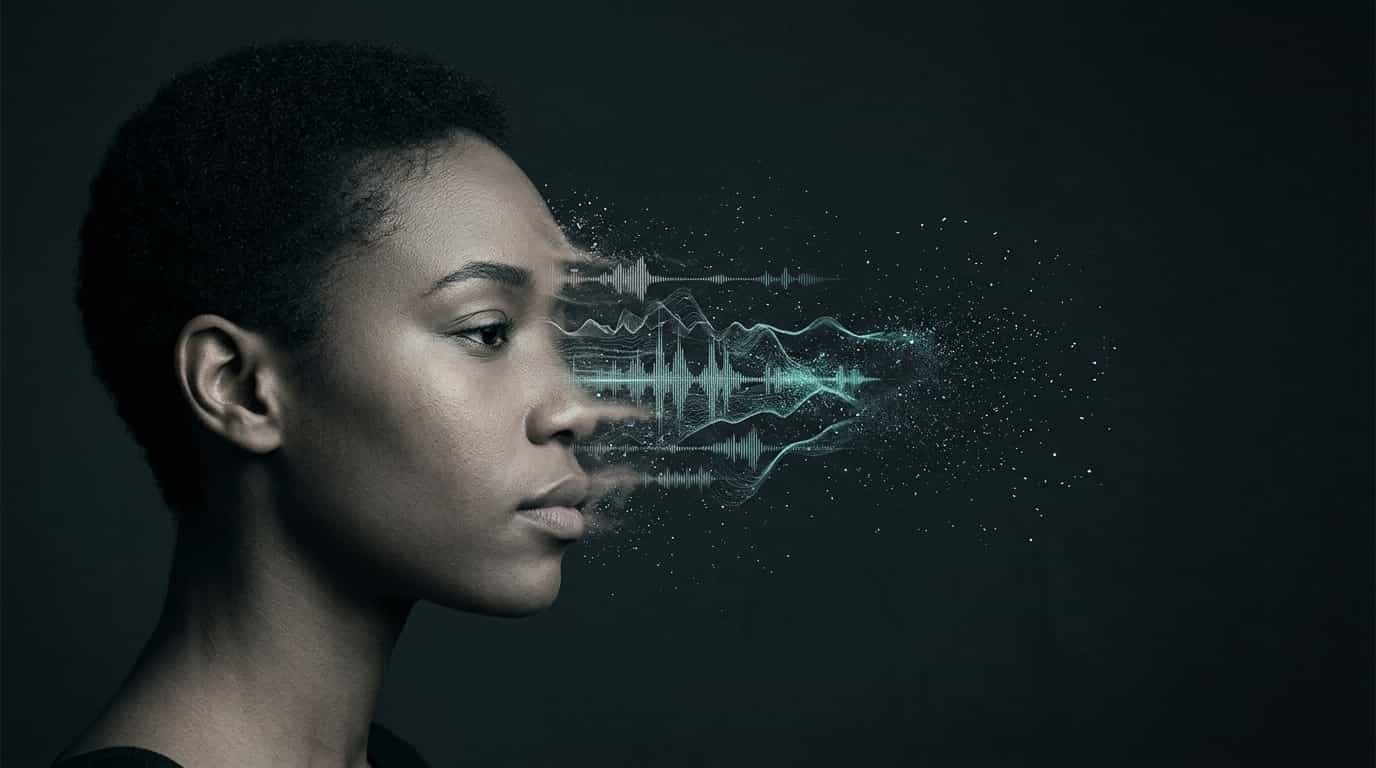
What matters most about this number is not the amount. It is what it represents: the collapse of voice and face as proof of identity.
For decades, recognising a child's voice on the phone, or seeing a director's face on a video call, was in practice all the authentication anyone needed. Today, with a few seconds of audio lifted from a video on social media, a voice is cloned with the right intonation and emotion, and a handful of photos is enough to generate a convincing video. The FBI documents exactly this: voice cloning, deepfake images and videos, and AI-written scripts supercharging schemes as old as romance scams, fake kidnapping and extortion calls, fake influencers, and impersonation of government bodies.
The largest share, 632 million, came from investment fraud. But the most disturbing figure is another one: around 13 million dollars lost in fake job interviews, with video and voice deepfakes posing as candidates or recruiters. Fraud has entered the hiring process.
The FBI's Michael Machtinger puts it bluntly: "AI-created fraudulent communications can look very official and very legitimate to even the most trained individuals." And that is the point: even the people trained to spot these things are falling for them. This is no longer the Nigerian-prince email full of typos.
And it is not an American problem. In Portugal, the Judiciary Police is already investigating CEO fraud schemes, and the "hi mum, hi dad" scams are starting to show up with cloned voices. The OECD ranks digital financial fraud as the top consumer risk in most of the jurisdictions it examined. The gap with the United States is one of timing, not of nature.
It is worth dropping the habit of thinking about these attacks as technology and starting to think of them as social engineering with a multiplier. AI did not invent the scam; it industrialised it. It pushed the cost of each attempt close to zero and the quality of the bait close to indistinguishable. When attacking costs almost nothing the volume explodes, and that is what these numbers show.
The defence, therefore, is not technological but a matter of process:
- A family safe word. A pre-agreed word only you know. If your "daughter" calls in distress asking for money and does not know the word, hang up. It works against the best voice cloning in the world.
- Second-channel verification, always. A request for money, a transfer, or credentials? Hang up and call back yourself, on the number you already had, never the contact the request came from.
- Distrust of urgency. Haste is the scam's signature. "It has to be now," "don't tell anyone," crypto or gift cards are red flags, not details.
- Cutting the raw material. Every public video of you with your voice is training material for whoever wants to impersonate you. You do not have to hide; you do have to be aware.
In a forensic investigation, evidence is worth only as much as its chain of custody, not its appearance. That now holds for life itself: what you see and hear is no longer proof. The proof is the verification you do next.
The 893 million is the price of still trusting our eyes and ears as if it were still 2015, when that time is long gone.
#StaySafe
🙏🖖