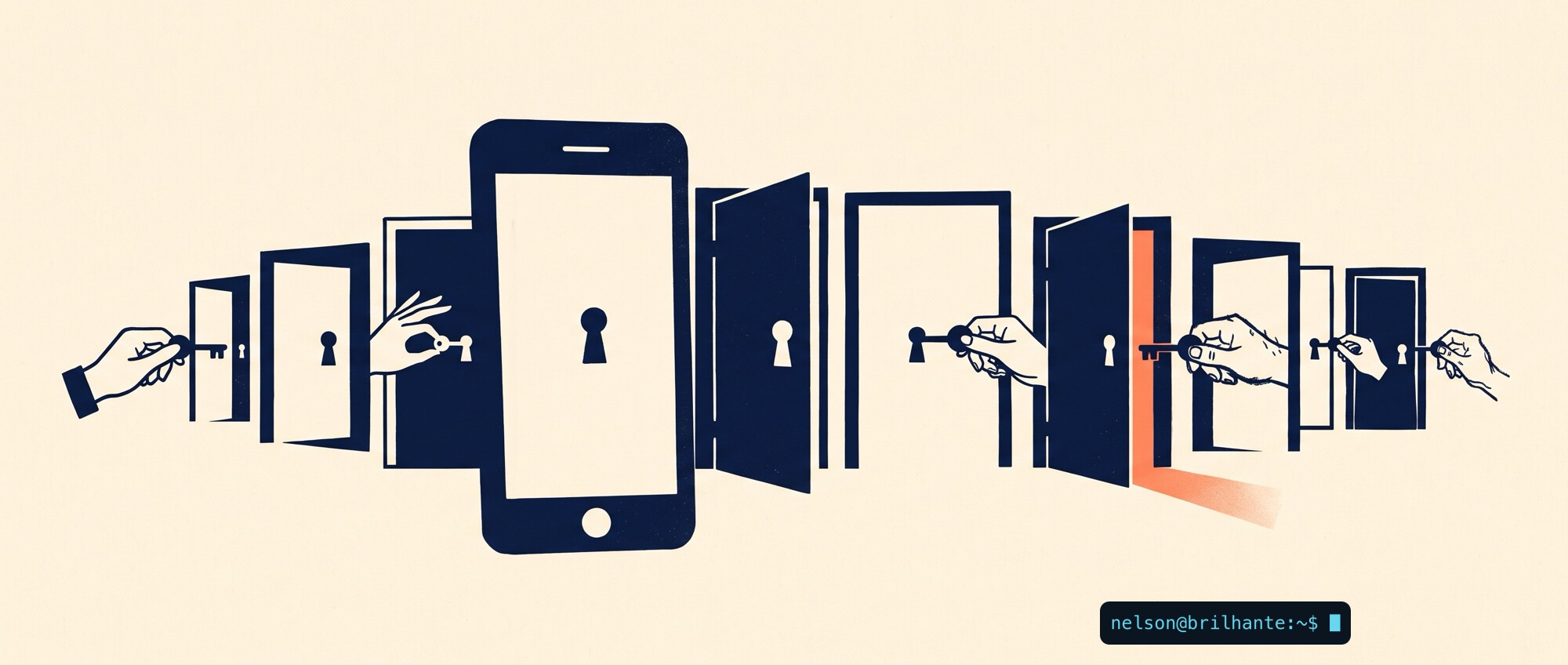
Recently, a discovery came to light that underscores the need to remain ever vigilant in the digital world. A researcher reverse-engineered the Bright Data SDK that is embedded in free iOS applications and documented how it discreetly turns our devices into proxies for the massive collection of data destined for the Artificial Intelligence industry. The deepest technical evidence comes from the iOS SDK; the reach to the always-on Smart TVs rests on Bright Data's own platform and its public list of partners. This is not merely a technical issue; it is a direct challenge to our privacy, to the security of our equipment, and to the technological sovereignty we so strongly defend.
The mechanism is ingenious and, at the same time, worrying. By installing a "free" app that contains this SDK, our device starts working as an exit node, relaying web scraping traffic to third parties. Always-on devices with fast connections are ideal hosts for this continuous activity. More serious is the gap between what is presented and what is permitted: in a Roku app, Petflix, the consent screen indicated "occasional" use, but the settings the SDK loads allow up to 200 GB of traffic per month. The absence of informed consent and the opacity of this process are, in my view, deeply unethical.
From the standpoint of cybersecurity and forensic analysis, this scenario raises several red flags. Although the primary activity is web scraping, the unauthorized use of device resources sets dangerous precedents. What other forms of traffic could be relayed in the future? How can we ensure that our devices do not become part of larger networks for less lawful purposes? Monitoring and analyzing network traffic are crucial to detecting these anomalies.
Bright Data's business model, focused on supplying data for AI, is not new in form, only in scale. The company is the successor to Luminati, the paid proxy service that grew out of Hola VPN, caught in 2015 selling the bandwidth of its free users. When users unknowingly become a link in this data-collection chain, trust is broken. It is proof that digital literacy is just as important as technical defenses.
The message is clear:
Always question the real value of "free" apps;
Carefully read the permissions requested by applications, even if they seem harmless;
Block traffic at the DNS level, with a router-level tool such as Pi-hole or NextDNS. Note that, on the iPhone, this SDK's traffic bypasses a configured VPN, so a VPN is not an effective defense against this threat;
Promote education about the risks of online privacy.
Ultimately, the ability to identify and expose these hidden practices is where software auditing becomes indispensable. We need tools and knowledge to audit the software running on our devices and to ensure that technology serves users, and not the other way around. Our responsibility is to protect the integrity of our digital ecosystems.
Source: The Hacker News
#StaySafe
🙏🖖