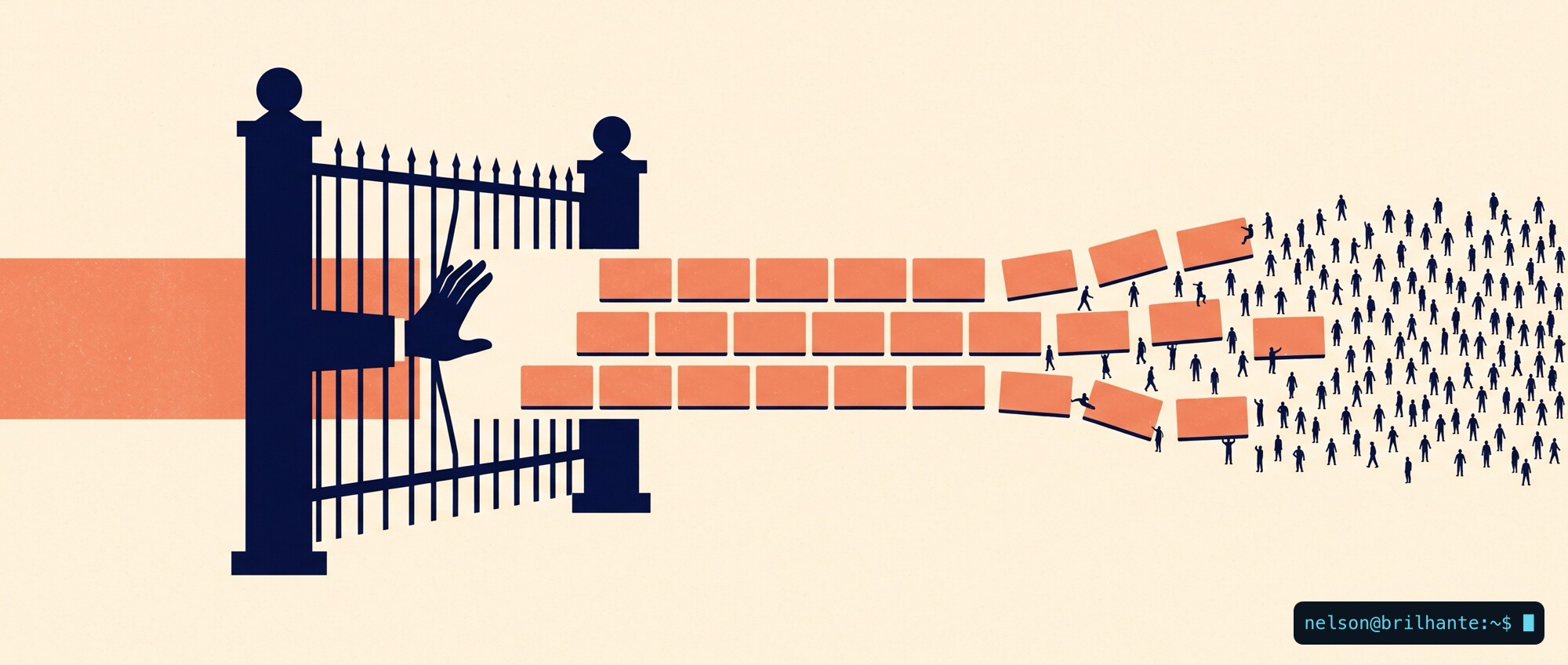
The recent operation by Dutch authorities, resulting in the seizure of 800 servers and the arrest of two individuals, marks a crucial point in the fight against cyber warfare and influence operations. The detainees are co-owners of hosting companies that allegedly provided critical infrastructure for cyberattacks, disinformation campaigns, and influence operations orchestrated by Russia within the European Union. This is a vivid reminder of how "neutral" internet infrastructure can be instrumentalized for nefarious purposes and the importance of coordinated actions to dismantle these networks.
What we observe here is the disruption of a "bulletproof hosting" service, where providers deliberately ignore or delay responding to abuse reports, allowing their clients to operate with impunity. These services are a fundamental pillar for malicious actors, whether criminals or nation-states, as they offer a digital refuge that complicates attribution and the interruption of their activities. The complexity of identifying and proving this complicity requires meticulous computer forensics and intelligence work.
The Dutch operation demonstrates the growing capability of law enforcement agencies to go beyond merely reacting to attacks, targeting the root of the problem: the infrastructure that sustains them. It is not enough to block an attack; the support network must be dismantled. This type of action sends a clear message that complacency or complicity with malicious cyber activities will have severe consequences, regardless of the façade of "privacy" or "neutrality" one might try to invoke.
To effectively combat these threats, international cooperation is absolutely essential. The cross-border nature of the internet means that no single nation can face this challenge alone. It requires sharing intelligence, harmonizing laws, and coordinating operations. Furthermore, hosting companies have an ethical and legal responsibility to implement robust cybersecurity policies and abuse response mechanisms, ensuring they do not become unwitting (or willing) facilitators of criminal or hostile activities.
The practical lesson is that modern cybersecurity is not limited to defending our own systems. It includes a proactive and offensive component, where intelligence and collaboration enable the identification and neutralization of infrastructures that fuel threats. It is an ongoing effort that demands constant vigilance and a firm political will to act.
Source: Krebs on Security
#StaySafe
🙏🖖